Tempered glass is one of the most popular accessories for protecting mobile screens from scratches, smudges, and accidental drops. While most people buy ready-made screen protectors, you may wonder how tempered glass is actually made or whether it’s possible to make one at home.
Please Read – Super X Tempered Glass Wholesale
What is Tempered Glass?
Tempered glass is a type of safety glass that has been processed through heat or chemicals to increase its strength. For mobile use, it is cut into thin sheets and coated with adhesives, making it shatter-resistant and capable of absorbing impacts before they reach the phone’s screen.
Can You Really Make Tempered Glass at Home?
The short answer is no. Proper tempered glass is created using industrial machines that heat glass sheets up to 600–650°C and then rapidly cool them to give strength. This process cannot be safely replicated at home.
However, if your interest is in understanding the process of manufacturing tempered glass for mobiles, here’s how it’s done.
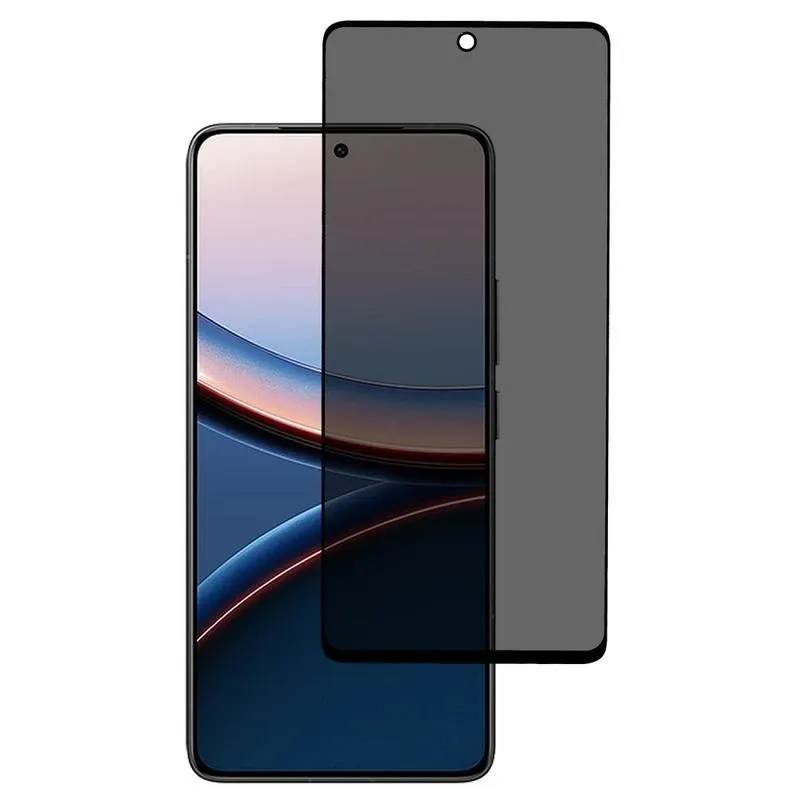
Step-by-Step Process of Making Tempered Glass for Mobile
1. Selection of Raw Glass
-
Thin, high-quality glass sheets are chosen for durability.
-
The thickness is usually between 0.3mm to 0.5mm, making it lightweight and suitable for touch sensitivity.
2. Cutting and Shaping
-
Glass sheets are cut to match different mobile screen sizes and models.
-
Laser cutting technology ensures precision for edges, camera holes, and sensors.
3. Heat Tempering
-
The cut glass is heated in a tempering furnace at extremely high temperatures.
-
It is then rapidly cooled with blasts of air.
-
This heating and cooling process makes the glass 4–5 times stronger than normal glass.
4. Applying Coatings
-
Oleophobic coating is applied to resist fingerprints and smudges.
-
Sometimes, an anti-glare or matte finish is added for better visibility.
5. Lamination with Adhesive Film
-
A thin adhesive layer is added to allow the tempered glass to stick to the mobile screen.
-
This also ensures that if the glass breaks, it holds together instead of shattering into sharp pieces.
6. Quality Testing
-
Each piece is tested for durability, transparency, and touch sensitivity.
-
Only defect-free tempered glasses are packed for sale.
DIY Alternative: Screen Protectors at Home
While you cannot make real tempered glass at home, you can use plastic film protectors or order custom-fit tempered glass sheets online. These are affordable and safer than attempting to make glass yourself.
Final Thoughts
Tempered glass for mobiles requires advanced manufacturing, specialized furnaces, and industrial safety standards. While making it at home isn’t realistic, understanding the process helps you choose better-quality protectors for your device. If you want protection, always go for branded, model-specific tempered glass instead of cheap alternatives.