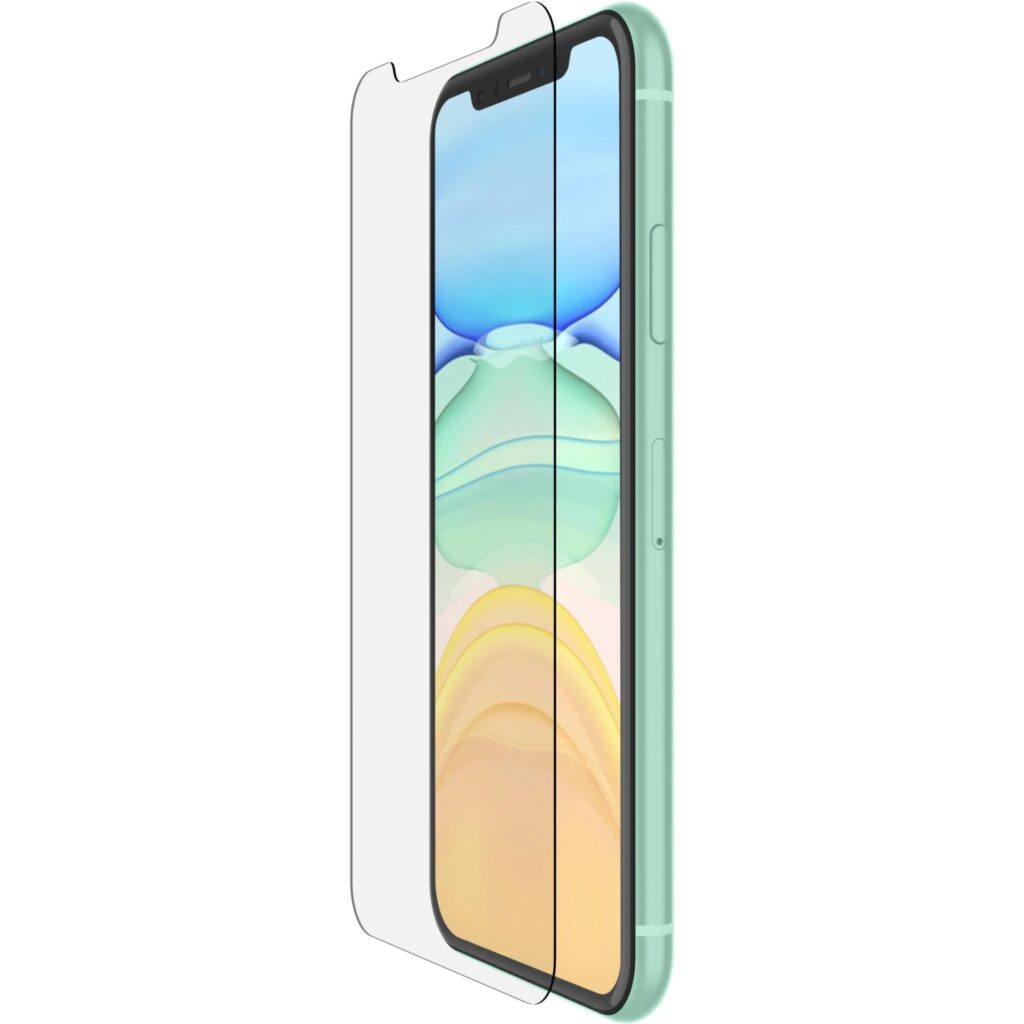
Tempered glass is a specially treated glass used as a screen protector for mobile phones. Making tempered glass involves a precise industrial process to ensure it is strong, durable, and resistant to scratches and impacts. Here’s how tempered glass for mobiles is manufactured.
Please Read – Super X Tempered Glass Wholesale
Step 1: Cutting the Glass
-
Start with high-quality raw glass sheets.
-
Cut the sheets to the exact dimensions of the target mobile screen.
-
Smooth the edges using a grinding machine to prevent cracks during tempering.
Step 2: Polishing and Cleaning
-
Polishing the edges ensures smoothness and prevents chipping.
-
Clean the glass thoroughly to remove dust and debris before tempering.
Step 3: Tempering Process
-
The glass is heated to 600–650°C in a tempering furnace.
-
It is then rapidly cooled using high-pressure air jets.
-
This process strengthens the glass 5–6 times more than regular glass.
Step 4: Coating
-
Apply an oleophobic coating to resist fingerprints and smudges.
-
Optional coatings include anti-blue light, privacy filters, or anti-glare layers.
Step 5: Laser Cutting and Drilling
-
Cutouts for the camera, sensors, and speaker are made with precision laser or CNC machines.
-
This ensures the tempered glass fits perfectly on the phone screen.
Step 6: Quality Testing
-
Each tempered glass sheet is tested for hardness, durability, and clarity.
-
Defective pieces are discarded to maintain high quality.
Step 7: Packaging
-
Tempered glass is packed with dust-proof and protective layers to prevent scratches before sale.
Final Thoughts
Making tempered glass for mobiles is a highly controlled process involving cutting, tempering, coating, and testing. This ensures that the final product is durable, clear, and safe, providing the best protection for smartphone screens.