Mobile tempered glass is designed to protect smartphone screens from scratches, cracks, and impacts. Understanding how it works helps users appreciate its durability and the technology behind it.
Please Read – Super X Tempered Glass Wholesale
1. Heat-Treated Glass for Strength
-
Tempered glass is heated to high temperatures (600–650°C) and then rapidly cooled.
-
This process creates internal stress, making the glass 5–6 times stronger than regular glass.
-
It is resistant to everyday bumps and minor drops.
2. Hardness and Scratch Resistance
-
Tempered glass typically has a 9H hardness rating.
-
This means it can resist scratches from keys, coins, and other sharp objects.
-
The surface remains smooth and clear, maintaining touch sensitivity.
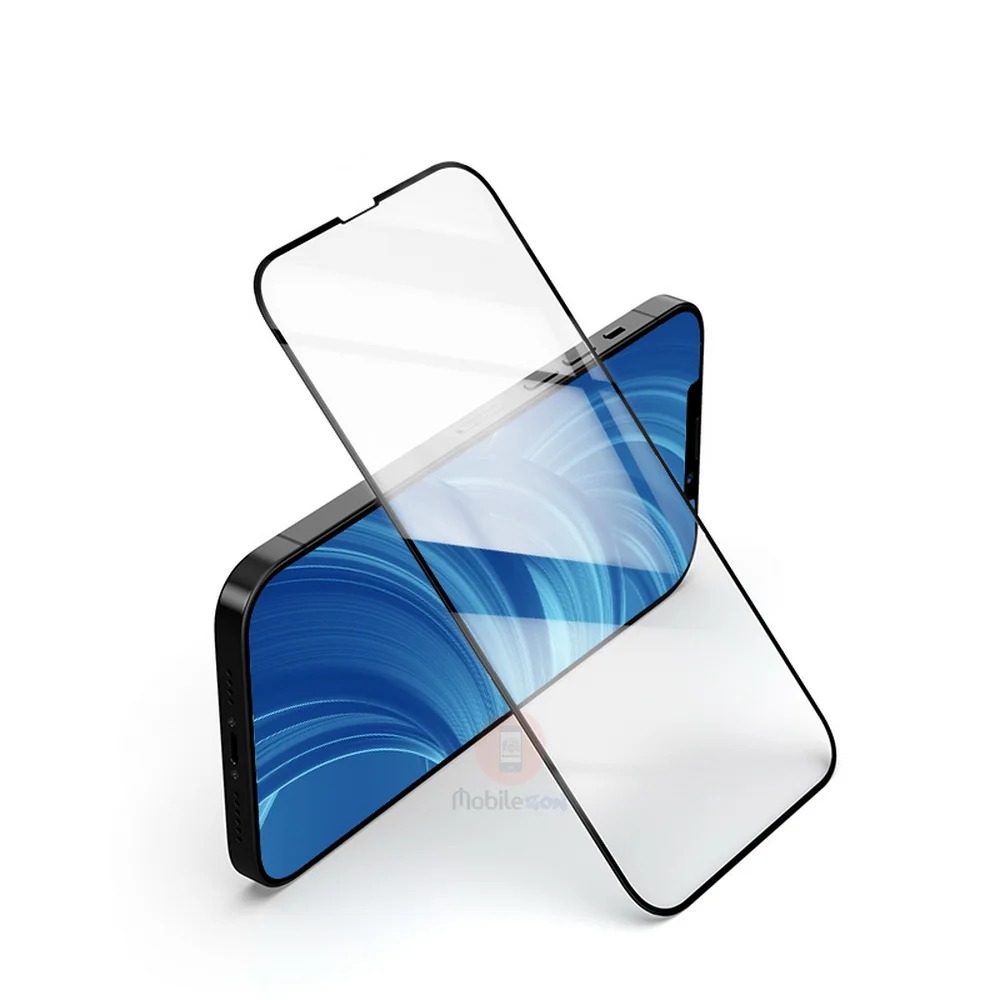
3. Shatter Protection
-
If tempered glass breaks, it shatters into small, blunt pieces rather than sharp shards.
-
This reduces the risk of injury and protects the underlying mobile screen.
4. Coatings for Extra Protection
-
Oleophobic coating resists fingerprints and smudges.
-
Some tempered glass may include anti-blue light, privacy, or anti-glare layers for added benefits.
-
These coatings help maintain screen clarity and user comfort.
5. Shock Absorption
-
While tempered glass is thin, it absorbs some impact during accidental drops.
-
It acts as a sacrificial layer, protecting the original mobile screen from damage.
Final Thoughts
Mobile tempered glass works by combining heat-treated strength, hardness, shatter protection, and protective coatings. It provides a durable, clear, and safe layer that preserves your phone screen’s functionality and appearance.