When buying a mobile tempered glass screen protector, you might notice terms like 5H or 9H hardness. These numbers indicate the surface hardness of the glass, which affects its resistance to scratches and everyday damage.
Please Read – Super X Tempered Glass Wholesale
1. Understanding the “H” Scale
-
The H scale refers to the pencil hardness test, a standard method for measuring scratch resistance.
-
A 5H rating means the glass can resist scratches from a pencil of hardness level 5.
-
A 9H rating is stronger and can resist scratches from pencils up to hardness level 9.
2. 5H Tempered Glass
-
Provides moderate scratch protection.
-
Suitable for users who handle their phones carefully and do not expose them to sharp objects frequently.
-
Less expensive, but may scratch more easily than higher-rated glass.
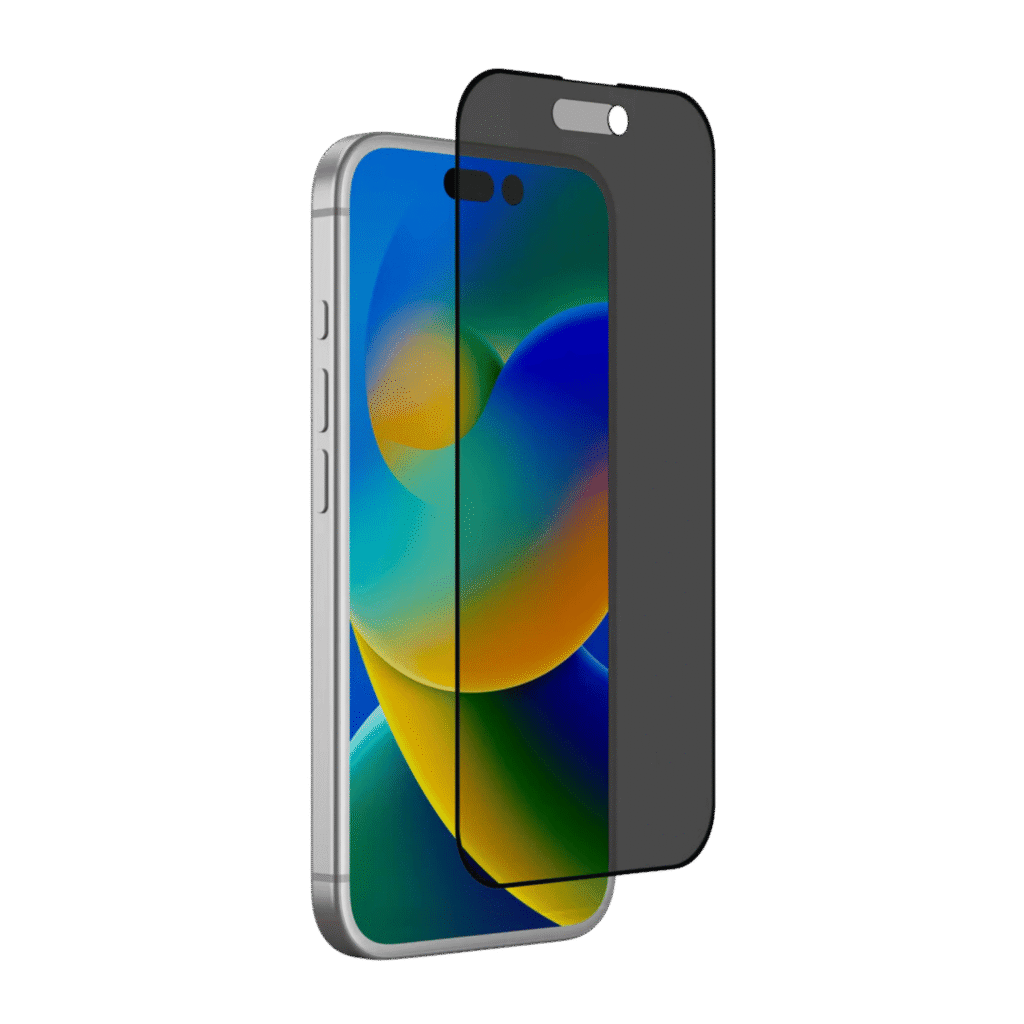
3. 9H Tempered Glass
-
Offers maximum scratch resistance in consumer tempered glass products.
-
Protects against keys, coins, and minor drops.
-
Maintains screen clarity and smooth touch sensitivity.
4. Why Hardness Matters
-
Harder glass is more durable and long-lasting.
-
Reduces the likelihood of screen scratches, maintaining your phone’s aesthetic and resale value.
-
Ensures that the tempered glass remains effective even under daily wear and tear.
5. Choosing Between 5H and 9H
-
If you want strong protection with minimal risk of scratches, choose 9H.
-
If you prefer a budget-friendly option and take care of your phone, 5H may suffice.
-
Always consider phone usage patterns and environment when selecting hardness.
Final Thoughts
The 5H or 9H rating on mobile tempered glass indicates its scratch resistance level, measured by the pencil hardness scale. 9H tempered glass is generally recommended for daily use due to its superior durability, while 5H is adequate for careful users seeking an affordable option.